Invited Speakers


 |
Title: Collaboration between Paediatric Dentistry and Orthodontics for managing dental trauma cases
In the clinical practice of pediatric dentistry, monitoring the growth and development of the children is part of the anticipatory guidance program, in order to refer them to an orthodontist for the timely management of malocclusion. However, sometimes this collaboration may involve cases where orthodontic management is necessary to complete the dental treatment plan. The cases where this collaboration is most often required are dental trauma cases. For the successful management of traumatized teeth, which present unique characteristics, it is very important for all involved parties to be aware of the factors related to pulp and periodontal tissue healing after trauma, as well as the factors that determine the long-term prognosis following therapeutic treatment. The purpose of this presentation is to discuss the above factors so that the collaboration between paediatric dentist and orthodontist leads to the best possible outcomes. Short CV: Dr. Andreas Agouropoulos is Assistant Professor at the Department of Paediatric Dentistry, National and Kapodistrian University of Athens, Greece. He received a Certificate in Paediatric Dentistry from Tufts University, School of Dental Medicine, Boston, USA and a M.Sc. Degree and PhD in Oral Biology from the University of Athens. Since 2003 he is also working in private practice limited to Paediatric Dentistry. His research interest and work is focused in epidemiology, oral biology, clinical research in healthy and patients with special needs, caries risk assessment, biomaterials, patient behaviour and evidence based clinical guidelines development. He is the President of the Hellenic Society of Paediatric Dentistry, Member of the Constitution Committee of the European Academy of Paediatric Dentistry (EAPD), member of the Education Committee of the International Association of Paediatric Dentistry (IAPD). He has participated as a speaker in national and international congresses, has published several articles and he has received international awards for his research work. |
|
Title: The Orthodontic Assistant as a Leading Force: From Clinical Support to Organisational Excellence
Abstract: Dr Gerassimos Angelopoulos DDS, Dipl. Ortho, MS, Dr. Dent Short CV: He is a Research Associate at the National and Kapodistrian University of Athens, where he earned his DDS and PhD. He completed his postgraduate studies in Orthodontics and Oral Physiology at the University of Toronto, receiving the Aaron |
|
Title: The bright and the dark sides of Interproximal Reduction In the history of Orthodontics premolar extractions were the standard treatment option to correct bimaxillary protrusions, severe crowding, and sagittal compensations. With the possibility of bonding and the changes of facial esthetic patterns, interproximal reduction (IPR) became an alternative resource. Even though IPR can, in some cases, be used as a substitute for premolar extractions, two diagnostic factors are of utmost importance to define if and where teeth should be decreased in diameter, namely Bolton discrepancy and dental proportions, most specially in the esthetic zone. Even though, removing healthy dental tissue may be an uncomfortable and an irreversible decision for Orthodontists, currently IPR seems to be swaying as a trend. Clear aligners have stimulated the use of IPR to promote tooth movement, decrease mechanical complexity and reduce collision zones. But adequate diagnosis seems to be disregarded by automated systems, due to needs for tooth movement facilitation. The purpose of this presentation will be to demonstrate clinical parameters in which IPR is indicated for adequate treatment and finishing, discuss the best and most conservative methods for enamel grinding and to illustrate when IPR is absolutely inadvisable. Pre congress course: Vertical problems in orthodontics can be present in all types of sagittal malocclusions and are related to the amount of overbite, namely open bites and deep bites. These are generally associated to long and short faces, but this relation is not always present and leads to some misunderstanding in the correction of such conditions. Innumerous combinations of skeletal and dental factors are present in vertical problems and should be analyzed individually and together. This will define if the treatment approach should include surgical, orthopedic or orthodontic treatment only, dealing with changes in the anterior or posterior regions of the arches. Changes in the posterior vertical dimension can also be used favourably in sagittal correction with significant facial changes and alteration in the vertical allocation of anterior teeth can have a significant impact in the smile and speech esthetics. Therefore, the purpose of this presentation is to provide, in the light of current evidence, a guideline of diagnostic factors to be approached when treating the vertical dimension. After this course, attendees will be able to: 1. establish a checklist of factors to be evaluated for the analysis of vertical problems. Short CV: |
|
Title: Orthodontics and Periodontology. An interdependent relationship
Orthodontics and periodontοlogy must have a close collaboration since they are interdependent. Hence, the restoration of periodontal health is imperative before the initiation of orthodontic treatment in order to avoid bone loss around the teeth during their orthodontic movement. On the other hand, orthodontic treatment can improve the position of teeth in cases of advanced periodontitis, where severe bone loss can lead to pathological tooth movement. The correction of labial displacement of anterior teeth, of super-rupted, and of mesially tipped teeth can help to better distribute occlusal forces and create more favorable conditions for oral hygiene, which are essential for maintaining periodontal health. Finally, in collaboration with the specialties of restorative dentistry, they can increase the restorative options and the final aesthetic result. Short CV:
|
|
Concepts and Controversies in Contemporary Clinical Orthodontics: Everything but the Kitchen Sink
More than lip service for orthodontic controversies (Keynote presentation 45 min.) 1. Distalization: Bad english, good practice. All roads lead to rome for Class II. Uno, Dos, Tres: All screws in one place. One concept for three Angle Classes. With the advantage of hindsight, when examining treatments involving the use of miniscrew anchorage, it appears in a parallax view that moving from buccal interradicular insertion of miniscrews to the palate often affords more reliability and versatility for orthodontic biomechanics. Specifically, one palatal insertion site for miniscrews, combined with simple laboratory modifications of transpalatal arches can be employed as anchorage to assist in the correction of a wide variety of malocclusions. Drastic plastic: Strategies to improve the predictability of clear aligners As the limitations of clear aligner treatments have been identified, conceptualizing techniques and devices to improve the predictability in producing desired results has been the next logical step. A variety of concepts, methods, and adjuncts have subsequently been introduced to enhance the efficacy and effectiveness of clear aligners. Consequently, the scope of biomechanics and type of malocclusions that can be more predictably treated has increased. As one example, the inclusion of miniscrew temporary skeletal anchorage has permitted the addition of direct and indirect anchorage to support and control more predictable programmed tooth movements with aligners. Learning objectives Short CV:
|
|
Title: The use of nanotechnology in Orthodontics Nanotechnology has become especially popular over the last years in various scientific areas. Currently there are several nanoparticles (NPs) tested in numerous applications. In the medical field, NPs are used not only for diagnostic purposes, but also for therapeutic. With the use of nanodrug delivery systems, personalized medical treatment has shown encouraging results. Likewise, in dentistry and orthodontics, the incorporation of nanotechnology in material science, diagnostics and treatment starts to evolve. In orthodontics, antimicrobial NPs have been used to enhance the antimicrobial properties of orthodontic materials and overcome the problem of microbial accumulation in patients with orthodontic appliances. However, the knowledge around NPs needs to progress since there are several challenges that need to be dealt with. The amount of research that remains to be carried out in this new area is extensive and the future results seem to be of paramount significance. The aim of this presentation is to introduce up to date information on the use of nanotechnology in the field of orthodontics. Short CV:
|
|
Title: “Spark aligner orthodontics exposed: myths, truths and biomechanical realities of tooth movement”
“Aligner orthodontics has revolutionized tooth movement, yet misconceptions persist regarding its biomechanical efficacy, particularly in comparison to traditional braces. This lecture demystifies common controversies, examining the evidence behind aligner capabilities in complex tooth displacement, root control, and torque expression. Focusing on Spark Aligners, we highlight their unique advantages: superior material properties, precision in force delivery and enhanced predictability through Approver Software treatment planning of each case. By separating fact from fiction, it will be revealed how a modern aligner system like Spark can challenge conventional biomechanical dogma while optimizing clinical outcomes on the most patient friendly way.” Short CV:
|
|
Title: The role of Reconstructive Surgery and Orthodontics in facial aesthetics Facial Recostractive Surgery and Orthodontics are not isolated fields, but rather converging paths with a common goal: to improve the patient’s quality of life, both functionally and aesthetically. Orthodontic treatment directly affects the structure of the face, the position of the jaws, the profile and the harmony of the features. Often, these interventions serve as the basis for future aesthetic or reconstructive procedures by reconstructive surgeons. Therefore, Reconstructive Surgery can enhance the result of an orthodontic treatment, offering improvements in soft tissues, restoring symmetry and emphasizing youthfulness. Through the collaboration of the two specialties, the solutions offered to patients are more complete-aesthetically balanced, functionally correct and psychologically empowering. Short CV: Admission to the Medical School of the National and Kapodistrian University of Athens following examinations in 1970 and graduation in June 1976. Bachelor of Medicine, University of Athens.
|
|
Title: From Diagnosis to Treatment: The Impact of 3D Imaging in Modern Orthodontics
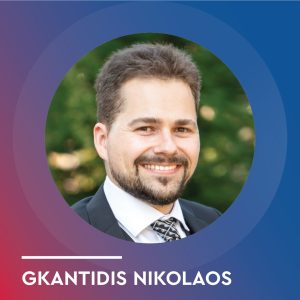
The integration of contemporary 3D imaging tools into orthodontic practice has significantly advanced diagnostic precision and treatment planning, enhancing both routine care and research potential. These technologies support a more comprehensive understanding of craniofacial structures and contribute to more predictable and individualized treatment outcomes, transforming orthodontic care and expanding possibilities for high-quality, evidence-based treatment. This lecture provides an in-depth overview of key 3D imaging modalities—extraoral 3D photography, intraoral 3D digital models, and 3D radiography—highlighting their value across the full spectrum of orthodontic diagnosis and treatment. While these tools improve efficiency and accuracy in standard cases, their benefits are particularly pronounced in complex dentofacial conditions, where conventional approaches may fall short. Clinical examples will illustrate how 3D imaging supports decision-making and enables high-quality, evidence-based treatment, especially in complex cases. Short CV: Nikolaos Gkantidis has been a full-time Senior Staff Member at the Department of Orthodontics and Dentofacial Orthopedics, University of Bern, Switzerland, since 2016. He earned the Venia Docendi (Privatdozent) title in 2018 and was appointed Associate Professor in 2024. He graduated from the Dental School of Aristotle University of Thessaloniki, Greece (2006), and completed his postgraduate training in Orthodontics with honors at the University of Athens (2010). He then ran a private orthodontic practice in Thessaloniki until 2016. Prof. Gkantidis obtained his first doctoral degree in Bern (2013), where he also worked part-time at the Department (2012–2016), and later earned a Ph.D. from the University of Groningen, the Netherlands, in 2022. His research focuses on the development and clinical application of 3D imaging techniques, facial attractiveness, and craniofacial morphology. He has published extensively and established national and international collaborations. For his work, he has received multiple grants and awards. He also serves as an academic editor for several high-impact journals, including Scientific Reports, Journal of Clinical Medicine, PeerJ, Diagnostics, Biology, and Dentistry Journal.
|
|
Title: Orthodontic treatment with clear aligners: modern developments and prospects
Sponsored by Ariston Dental Since the introduction of orthodontic treatment with clear aligners in the early 1990s, the use of clear aligners has increased significantly, particularly among adult patients. A large number of companies have developed different aligner systems, and combined with the aggressive marketing strategies of manufacturers, orthodontic treatment with clear aligners has become one of the most popular and rapidly evolving fields in dentistry. However, several aspects concerning key parameters of orthodontic treatment with aligners still remain unclear. An in-depth discussion will be presented on the ongoing clinical challenges associated with clear aligner therapy, alongside a comparative evaluation of existing aligner systems. The presentation will explore the forces exerted by clear aligners during treatment and examine the mechanical properties of the thermoplastic materials used across different systems. Additionally, it will assess the clinical effectiveness of clear aligners in comparison to traditional fixed orthodontic appliances and investigate the changes that occur on the surfaces of attachments utilized in aligner-based orthodontic treatments. Short CV: Dr. Anna Iliadi graduated from the Dental School of the National and Kapodistrian University of Athens in 2012. She subsequently pursued further studies, obtaining a Certificate in Orthodontics and a Master of Science degree from the same institution, a Dr med dent from the University of Bern, Switzerland, and a PhD from the University of Tampere, Finland. During her postgraduate studies, Dr. Iliadi was the recipient of two scholarships (State Scholarships Foundation and the “Alexander S. Onassis” Public Benefit Foundation). Additionally, she secured four research grants from the European Orthodontic Society (EOS) and GC Europe. In 2015, she was awarded the Best Poster Award at the annual meeting of the European Orthodontic Society in Venice, and in 2024, she received the Best Oral Presentation/Houston Research Award. Dr Eliades has presented a number of papers at international conferences, published 21 papers in accredited international peer-reviewed journals and one book chapter. At present, she operates a private practice limited to Orthodontics in Athens and serves as a research associate in the Department of Biomaterials at the Dental School of the National and Kapodistrian University of Athens. Her primary research interests include orthodontic aligners and materials releasing bioactive substances.
|
|
Title: “Maximizing Orthodontic Treatment Acceptance: Practical Tools and Communication Strategies”
Summary: CV:
|
|
Title: The synergy between Endodontics and Orthodontics
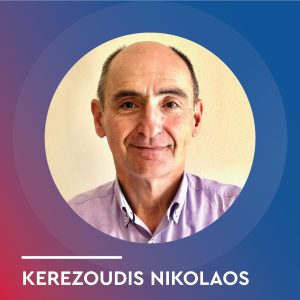
In contemporary dental practice, the successful management of certain cases increasingly necessitates the integration of therapeutic strategies from multiple dental specialties—most notably, Endodontics and Orthodontics. This presentation aims to highlight and explore, through selected clinical cases, the unique considerations presented by patients who are either undergoing or are scheduled to undergo Orthodontic treatment and require Endodontic intervention at some stage. Additionally, it will address cases in which optimal outcomes can only be achieved through the coordinated efforts of both specialties. Short CV: Dr. Kerezoudis is a graduate of the School of Dentistry at the National and Kapodistrian University of Athens. He completed his postgraduate studies at the Karolinska Institutet in Stockholm, Sweden, where he earned his PhD. He currently serves as Professor and Director of the Department of Endodontics at the National and Kapodistrian University of Athens. Dr. Kerezoudis has authored numerous scientific publications and has been an invited speaker at both national and international dental conferences. |
|
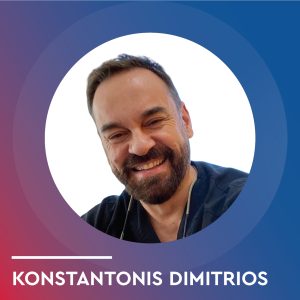
Presentation Title Excellence in Orthodontics: the power of teamwork The clinical orthodontic practice is now part of 4 handed dentistry. In the modern orthodontic practice, the contribution of the dental assistant to the improvement of the quality of services is. indisputable. Today, the orthodontic assistant must be sufficiently qualified and familiar with all modern orthodontic techniques. The theoretical training in the specialty of Orthodontics aims for the assistants to be able to successfully fulfill the clinical and secretarial requirements of an orthodontic office. Specialized orthodontic assistants should recognize the basic orthodontic malocclusions, be familiar with orthodontic instruments and appliances (fixed and mobile), have an in-depth understanding of the steps involved in clinical orthodontic procedures, and finally be in position to communicate with patients and parents and explain the procedures and goals of Dimitrios Konstantonis DDS, Dipl. Ortho, MS, PhD Brief Curriculum Vitae |
|
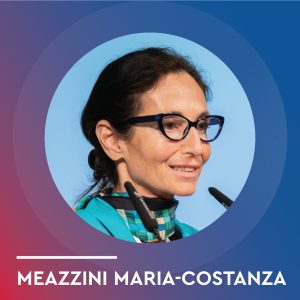
Title: “Congenital and acquired mandibular asymmetric hypoplasia: controversies in the timing and efficacy of treatment during growth”.
Long-term results after orthopedic treatment of mandibular asymmetric hypoplasia and craniofacial microsomia (CFM) have not shown any significant improvement of asymmetry. Distraction osteogenesis in growing CFM patients has shown early recurrence. However, the literature contains several successful case reports that show surprising changes in the morphology of the condyles after functional appliances (FA) or distraction osteogenesis (DO). The phenotypes of these cases are unexpectedly similar, with a consistent collapse of the condyle against the coronoid and a deep sigmoid notch and no muscular hypoplasia on the affected side. The objectives of this presentation is to help distinguish true CFM from condylar-coronoid collapse patients (CCC), misdiagnosed as CFM, which are possibly secondary injuries of the condyle, with a normal functional matrix. CCC asymmetries, with growth and functional stimulation, tend to grow toward the original symmetry, similarly to mandibular fractures during early childhood. To make a differential diagnosis between true CFM and this peculiar type of hemimandibular hypoplasia, the collaboration between orthodontists and surgeons, but also geneticists and dysmorphologists, is of great importance because of the different prognoses and treatment approaches. Embryology and embryopathology are fundamental for the understanding of the biology underlying asymmetric mandibular hypoplasia, and their treatment planning. Short CV: Maria Costanza Meazzini is Scientific Director and Orthodontic consultant for Craniofacial anomalies at the CLP Center, Operation Smile Italy, Santi Paolo e Carlo Hospital, in Milano and at the Department of Cranio-Maxillo Facial Surgery, IRCCS, San Gerardo Hospital, Monza, Italy. She is Adjunct Professor in Craniofacial Anomalies for the residencies in Maxillofacial Surgery and Orthodontics, University of Milano. She is Past-President (2019-2024) and now Vice President of the European Cleft Lip and Palate Craniofacial Association (ECPCA) and Representative and for the European Reference Network (ERNs). She acquired a Specialty in Orthodontics and Dentofacial Orthopedics and a Master in Medical Sciences in 1995 (1991-1995, Harvard University). Completed a Cranio-Facial and Surgical Orthodontics Fellowship (University of Illinois at Chicago,1995-1996) in 1996 and did trimestral internships at Chung Gung Memorial Hospital (Taipei), Tokyo Medical-Dental University (Tokyo) and Gea-Gonzalez Hospital (Mexico City) for further craniofacial training. |
|
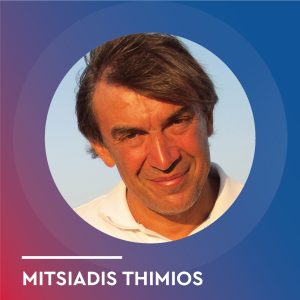
Title: “Tooth-on-a-chip” devices as models for the simulation of human dental tissues
Translation of preclinical results into effective cell-based therapies remains poor, highlighting the need for accurate human-emulation systems. Recently, 3D in vitro systems containing an essential number of stem cells and other cell populations, which allow the recreation of similar in vivo conditions, have been successfully generated. Miniaturised “organ-on-chip” devices are based on recent technological advancements in microfluidics. These devices successfully emulate human pathophysiological conditions of specific tissues and organs in vitro. They also represent valuable tools for studying the effects of novel pharmaceutical products and materials on dental tissues before their clinical application. Microfluidics have been used for the first time to analyse the role of innervation and vascularisation in dental tissues. These devices are also important in understanding the interconnection of teeth with other organs and studying their responses to the various dental pathologies upon bacterial attack. These new biotechnological platforms are revolutionising dentistry and promise improved dental care. In this lecture, these novel findings will be presented. Former Director of the Institute of Oral Biology at the University of Zurich/Switzerland Short CV: Thimios Mitsiadis is a dentist specialized in paediatric dentistry, and Professor Emeritus in Oral Biology in the Medical Faculty at the University of Zurich, Switzerland. He obtained the DDS degree from the Dental Faculty of the Kapodistrion University of Athens (Greece), a Master degree for Immunology, Genetics and Differentiation, and the PhD in Developmental Biology from the University of Lyon (France). He conducted postdoctoral studies at the University of Helsinki (Finland), Karolinska Nobel Institute (Stockholm, Sweden) and Yale University (USA). Previously, he was Professor at the Mediterranean University (Marseilles, France), Visiting Professor at the Ecole Normale Superieure of Lyon (France), and Clinical Senior Lecturer at King’s College London (UK). His research focuses on microfluidics, stem cells, genetics, molecular and experimental biology related to tooth development and regeneration. He authored more than 200 papers in journals such as “Journal of Cell Biology”, “Development”, “Nature Genetics”, “Nature Cell Biology”, “Science Signaling”, and gave more than 250 keynote and invited lectures. He is Specialty Chief Editor for “Craniofacial Biology and Dental Research – Frontiers in Physiology”, Associate Editor for “Scientific Reports”, “International Journal of Molecular Sciences”, and he has more than 10.000 citations and a H-index of 62 according to Google Scholar. |
|
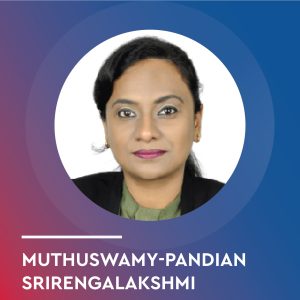
Title: Controversies in Orthodontics: Surgery-First orthognathic approach
The surgery-first orthognathic approach (SFOA) has emerged as a revolutionary technique in correcting skeletal discrepancies, challenging the conventional orthodontics-first protocol. This approach offers the advantage of immediate facial profile improvement, reduced overall treatment time, and enhanced patient satisfaction. However, it remains a topic of debate due to concerns regarding post-surgical orthodontic complexity, stability of results, and case selection criteria. This presentation will explore the scientific rationale, clinical protocols, and digital planning techniques for SFOA, highlighting its benefits and addressing common controversies. Through evidence-based insights and clinical case discussions, we will evaluate the predictability, efficiency, and limitations of SFOA, guiding orthodontists to make informed decisions for successful patient outcomes. Short CV: Dr. Srirengalakshmi Muthuswamy Pandian, an accomplished orthodontist, holds a B.D.S. from Government Dental College, Chennai, an M.D.S. from Bapuji Dental College, Karnataka, and an M.Ortho from the Royal College of Surgeons, Edinburgh. She is an Associate Professor and Academic Head at Saveetha Dental College, Chennai, and a consultant orthodontist in private practice. Her niche areas include digital planning for aligners and orthognathic surgery. A dedicated researcher with over 70 indexed publications, she has delivered 40+ guest lectures. She serves as an examiner for M.Ortho examinations at the Royal College of Physicians and Surgeons, Glasgow. Recognized with awards such as the ‘Best Trainer’ and ‘Best Outgoing Postgraduate,’ she is also a recipient of the WFO Roberto Justus ‘Rising Star’ Scholarship. Actively engaged in teaching and practice, she continues to advance orthodontic education and research. |
|
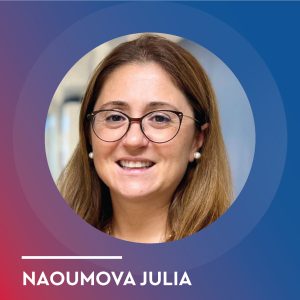
Title: Optimize the timing and treatment of palatally impacted canines
Background: Early detection and management of ectopic canines are critical as they can cause resorption of adjacent teeth. As a result, the treatment of ectopic and impacted canines is considered a high priority in orthodontics. Objectives:
Short CV: Julia Naoumova is an Associate Professor in the Department of Orthodontics at the Institute of Odontology, Sahlgrenska Academy, University of Gothenburg, and serves as the Program Director for the Postgraduate Program in Orthodontics at the Specialist Clinic of Orthodontics in Gothenburg, Sweden. Dr. Naoumova completed her Bachelor of Dental Surgery in 2005 and her Master of Dental Surgery in 2007 from the University of Malmö, Sweden. She went on to specialize in Orthodontics in Gothenburg in 2010 and received her PhD from the University of Gothenburg in 2014. She was appointed Associate Professor in 2021. As Program Director, Dr. Naoumova supervises postgraduate students, and several PhD students engaged in various prospective randomized clinical studies. She has been a guest speaker at numerous national and international conferences and was awarded the Beni Solow Prize for the best article in the European Journal of Orthodontics (EJO). Her research interests include interceptive orthodontics, eruption disorders, and the management of impacted teeth. |
|
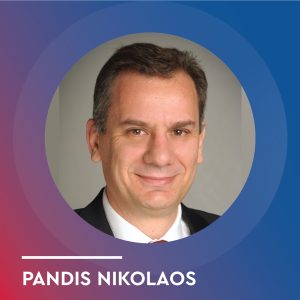
University of Bern, Switzerland
Short CV: Dr Pandis is an Associate Professor at the Department of Orthodontics and Dentofacial Orthopedics, University of Bern Switzerland and Editor-in-Chief in Progress in Orthodontics. He completed his DDS at the University of Athens, Greece and his orthodontic training at The Ohio State University, USA, followed by a fellowship in surgical orthodontics at the University of Texas, Dallas. He holds a Dr med dent in orthodontic biomechanics from the University of Bonn, Germany, an MSc in clinical trials from the London School of Hygiene & Tropical Medicine, UK, a PhD in Epidemiology from the Medical School at the University of Ioannina, Greece and an MS in Biostatistics from the University of Hasselt, Belgium. Dr Pandis has published over 400 scientific publications in peer-reviewed biomedical journals and 2 books in clinical orthodontics and clinical research methodology. He has served in the editorial board of several major orthodontic and dental journals. Besides his academic activities, he maintains a private orthodontic practice in Corfu, Greece and is a Diplomate of the American Board of Orthodontics. |
|
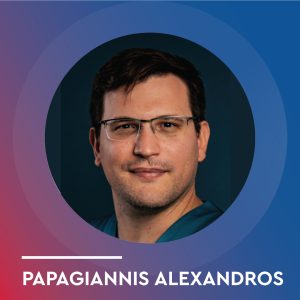
Title: Orthodontic tooth movement and relapse: short- and long-term clinical correlations
Orthodontic relapse is a major controversial clinical issue. Despite the different kind of retention schemes implemented, and the understanding of the in vitro and in vivo behavior of the biomaterials, still nowadays is impossible to guarantee the perfect post-debonding treatment outcome in the long term. Relapse may be detected as tooth movement toward the initial pre-treatment position, but also post-treatment changes may be observed, not necessarily related to the pre-treatment state. This lecture will provide data for short- and long-term relapse quantification. Long-term relapse will be correlated to short-term relapse, as well as to tooth movements observed during orthodontic treatment. Specific relapse patterns will be described. These findings may help clinicians predict long-term relapse considering short-term tooth movements after orthodontic treatment, and evaluate long-term retention needs based on the direction of tooth movements during treatment. Future considerations will be briefly discussed. Short CV: Orthodontist Alexandros Papagiannis received his dental degree (DDS) from the School of Dentistry, National and Kapodistrian University of Athens, Athens, Greece, in 2013 and completed a 3-year specialty program in Orthodontics (MSc) at the same University in 2019. Currently, he is a PhD student at the Department of Oral and Maxillofacial Diseases, University of Helsinki, Helsinki, Finland, and research associate at the Department of Orthodontics, School of Dentistry, National and Kapodistrian University of Athens, Athens, Greece. He has contributed as an author/co-author several scientific publications in peer-reviewed international journals. He has been awarded by the European Orthodontic Society with the W J B Houston Memorial Research Scholarship. His main research interests focus on geometrics morphometrics, orthodontic retention and relapse, extraction/non-extraction orthodontic treatment modality, orthodontic treatment of syndromic cases with genetic background (including Dentin Dysplasia Type I and Primary Failure of Eruption), and experimental animal studies. |
|
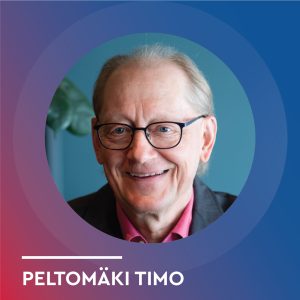
Title: Breathing and craniofacial growth and development – complex and controversial association
For over a century breathing function is known to have an impact on normal and abnormal craniofacial growth and development. Traditionally obstruction in nasal breathing leading to mouth breathing is associated with adenoid face appearance. This development has been explained in a ‘mechanistic’ way as occurring by changes in muscular balance between cheeks and tongue. Disturbance of breathing function particularly at sleep, i.e. breathing pauses in obstructive sleep apnea is an additional influencing factor. Disturbed sleep rhythm in OSA children is associated with abnormal nocturnal growth hormone (GH) and insulin-like growth factor I (IGF-I) secretion and consequently somatic and mandibular growth impairment. Thus, not only change in the muscular balance but also abnormal GH+IGF-I secretion is thought to contribute to the occlusal and craniofacial changes in children with disturbed breathing function. Short CV: Professor Timo Peltomäki graduated from University of Turku, Finland in 1982, completed specialist orthodontic education in 1988, PhD in 1993, and title of docent in 2002. From 1993 to 1996 he worked as orthodontist in Riyadh, Saudi Arabia, and 1999-2000 as research fellow at the Institute of Reconstructive Plastic Surgery, NYU Medical Center, USA. In 2005 he was appointed professor and head of Clinic for Orthodontics and Paediatric Dentistry, University of Zurich, Switzerland. In 2009 he returned to Finland to work as head orthodontist in Tampere University Hospital. In 2014 he was appointed professor of dentistry at Faculty of Medicine and Health Technology, Tampere University, and in 2017 professor of orthodontics at Faculty Health Sciences, University of Eastern Finland. Professor Peltomäki’s research interest lies in craniofacial growth and development, sleep disordered breathing, orthognathic treatment, juvenile idiopathic arthritis and OHRQoL. He has about 150 publications, has lectured widely at national and international meetings. As recognition of teaching and academic merits he was rewarded Distinguished Teacher Award, EOS, Charles Bolender Award, EFOSA, and Paul Herren Award, University of Bern, Switzerland. |
|
Title: Craniomandibular Disorders and Orthodontics
Craniomandibular disorders (CMD) encompass a collection of musculoskeletal and neuromuscular problems that result in functional impairment and pain. The influence of occlusion in the etiology of CMD has been extensively challenged for years. Despite the extensive research on CMD, a significant disagreement persists among numerous researchers and so-called experts about topics from etiology to treatment methodologies. A comprehensive and thorough understanding of all aspects of TMD is still inadequate On the other hand, an increasing number of adult patients seek orthodontic treatment for aesthetic reasons or to enhance other dental treatments required for the management and restoration of function. It should be noted that adults have a higher frequency of CMD and a lower adaptive capacity of their Stomatognathic System compared to children and adolescents, resulting in a greater likelihood of experiencing or developing local or systemic pathologies during or after orthodontic treatment. It is essential for orthodontists to develop the diagnostic ability required for the differential diagnosis of CMD, to comprehend the relationship between occlusion and CMD, accordingly to the current research findings, as well as the possible implications of orthodontic treatment on CMD issues. . Short CV: Vasilis Psarras graduated from the School of Dentistry of the National and Kapodistrian University of Athens. He has completed a full specialization program in Prosthodontics and Physiology of the Oral and Maxillofacial System at the University of Lund, Sweden. He holds an M.Sc Degree from the University of Lund and a PhD in Dentistry from the National University of Athens. He is an Assistant Professor, Director & Coordinator of the Physiology of the Oral and Maxillofacial System and the Postgraduate Clinical Treatment of Oral and Maxillofacial Pain. He is a member of Greek and international scientific societies and a founding member and Secretary of the Hellenic Society for the Treatment of Oral and Maxillofacial Pain. He has participated as an invited speaker in a large number of Greek and international conferences and seminars. He has authored a large number of scientific articles in Greek and international journals, book chapters and a book on the Basic Principles of Stomatognathic and Occlusal Physiology. He maintains a private practice in Athens, where he helps patients with Craniomandibular disorders and orofacial pain, as well as Sleep Disorders and Occlusal Problems. |
|
Title: The genetics of malocclusion and cleft palate: the relevance of GWAS studies to clinical orthodontic practice
This talk will focus on what we know about the genetic regulation of the face. I will look into what makes us appear similar to our parents. But also look into what makes us look different from one another and why some of us have a strong malocclusion and others have a facial malformation such as cleft lip and /or cleft palate. I will present findings from my own research group that focuses on: 1. early morphogenetic events during facial development, 2. individual patient phenotype/genotype correlations and 3. population-based GWAS studies. I will show how data from these studies are helping us understand the critical stages of development and what key regulatory mechanisms can go wrong and result in a craniofacial deformity or a malocclusion. I will also describe how these findings are helping patients and clinicians understand their conditions and how this information may be used in the future. This talk will be interesting to both clinicians as well as the most committed craniofacial researchers. . Short CV: David Rice is Head of the Department of Dentistry and Professor/Head of Orthodontics at the University of Helsinki and Helsinki University Hospital (Since 2007). From 2015-2019 he was director of the Finnish Doctoral School in Oral Sciences (FINDOS). From 2010-2025, Prof Rice has been Editor of the European Journal of Orthodontics. As Editor, he has been intimately involved in developing and improving the standards of all aspects of orthodontic research with the ultimate goal of improving patient care that is based on quality evidence. Prof Rice’s research is aimed at understanding the molecular basis of morphological change during craniofacial development (bones, palate & teeth). His lab-based research tries to discover the pathogenesis of abnormalities that result when normal development is disrupted, notably cleft palate, craniosynostosis (premature fusion of the calvarial sutures) and orthodontic malocclusion. Practically speaking this work helps patients & their clinicians understand their condition, particularly regarding the most common questions that people ask in clinics ‘What has caused the condition?’ ‘When has it occurred?’ & ‘Can it be treated?’ |
|
TITLE: “Implementing the essential regulatory provisions from the national and EU legal frame work regarding the function of the contemporary orthodontic office.” The aim of the presentation is to encode the basic information regarding the application and skills that are required by the dental assistant of a contemporary orthodontic office in the light of a continuously amending legal framework. Considering that the clinical orthodontic practice is now part of four (4) or more handed dentistry, the contribution of the dental assistant to the improvement of the quality of services is indisputable. The orthodontic assistant must be sufficiently qualified to fulfill the clinical, secretarial duties and poses communication skills to handle the patients, the parents and the office associates. There is a procedural approach in shaping the dental assistance’s profile in Greece. We will report, for example on the General Data Protection Regulation (2016/679/EU), on the European Health Data Space Regulation, the Medical Device Regulation (2017/715/EU) regarding medical devices, the Greek Dental Code of Ethics, the application of teledentistry, the framework of the “European Green Deal” which is enforcing a circular economy, the National Electronic Patient Record etc. CV Vasileios Stathopoulos has received his Dental degree (1985) from the School of Dentistry, at the National & Kapodistrian University of Athens (NKUA), Greece. He received his Certificate in Orthodontics & his MSD from the University of Pacific, U.S.A. (1987). He has, also served as clinical instructor in the Orthodontic Department, at the NKUA (1989-1991). He is a member in good standing in the GAOSR, the GSLO, the GOAS, the AAO & the WFO. The last thirty-five years he has served as member/ representative/chair: -representative of GAOSR in international fora, -Board of Directors of Regional Dental Society of Attica, -OC in various orthodontic congresses, -GA and of her Board of Directors of the Hellenic Dental Association (HDA), -6th district of Municipality of Athens, -Committee for Orthodontics of the Central Health Board, -Consulting Committee of Liberal Professionals of e-EFKA, -Board of Directors of the Social Insurance Organization of Medical Providers (2012-2015), -Board of Directors of the Insurance Organization of Liberal Professionals (2014-2015), -General Assembly of the Council of European Dentists (CED 2019-), -Chair of CED’s Working Group of “Oral Health”. Since 1988 he holds a private practice limited to Orthodontics in Athens, Greece and his main interests apart from the orthodontic specialty are legal, vocational and professional issues of the Dental profession. |
|
TITLE: “HYGIENE & SAFETY IN THE ORTHODONTIC PRACTICE: THROUGH THE EYES OF THE PATIENT” The proper implementation of Hygiene and Safety measures in the Orthodontic Practice significantly influences the positive or negative perception of patients seeking Orthodontic and Oral Health services. CV Orthodontist Vasiliki Tarantili graduated from the Dental School She specialized in Orthodontics through the postgraduate training She also holds a Master of Science degree awarded by the Medical She has been running a private orthodontic practice since 2003 in Her scientific interests include early orthodontic treatment, the treatment of syndromes and skeletal anomalies, and the application of hygiene and safety standards in Dentistry. She is a PhD Candidate at the Medical School of the Democritus |
|
Disinfection and sterilization in the orthodontic office
The selection of suitable chemical disinfectants and the impact of their use in the healthcare sector will be presented. We will discuss the categorization of disinfectants commonly used in the dental fields and more specifically in Orthodontics, describing their bactericidal, fungicidal, and sporicidal efficacy and modern modes of application. We will present and discuss the chemical residues derived from their use and occupational health matters due to disinfectants’ exposure. Short CV Emeritus Professor of the Dental School of the National and Kapodistrian University of Athens after an academic career of 41 years in the Laboratory of Operative Dentistry, having published more than 145 papers in Greek and International Scientific Journals, Textbooks. He founded the course Management and Organization of Dental Practices, which is taught to graduates of the School of Dentistry of the National University of Athens. He also founded and moderated the School of Dental Assistants, of the National University of Athens. At the European level – among others – he chairs the Working Group on Patient Safety, Infection control and Waste management, of the Council of European Dentists. He served as Chairman for 23 years of the Infection Control Committee of the Dental School of the University of Athens. At the same time, he is Vice President of the Athens Dental Association and President of the relevant Scientific Committee. He is also Visiting Professor at the European University of Cyprus, School of Dentistry and recently elected as President of the Institute of Scientific Affairs (I.E.THE) of the Hellenic Dental Association. |